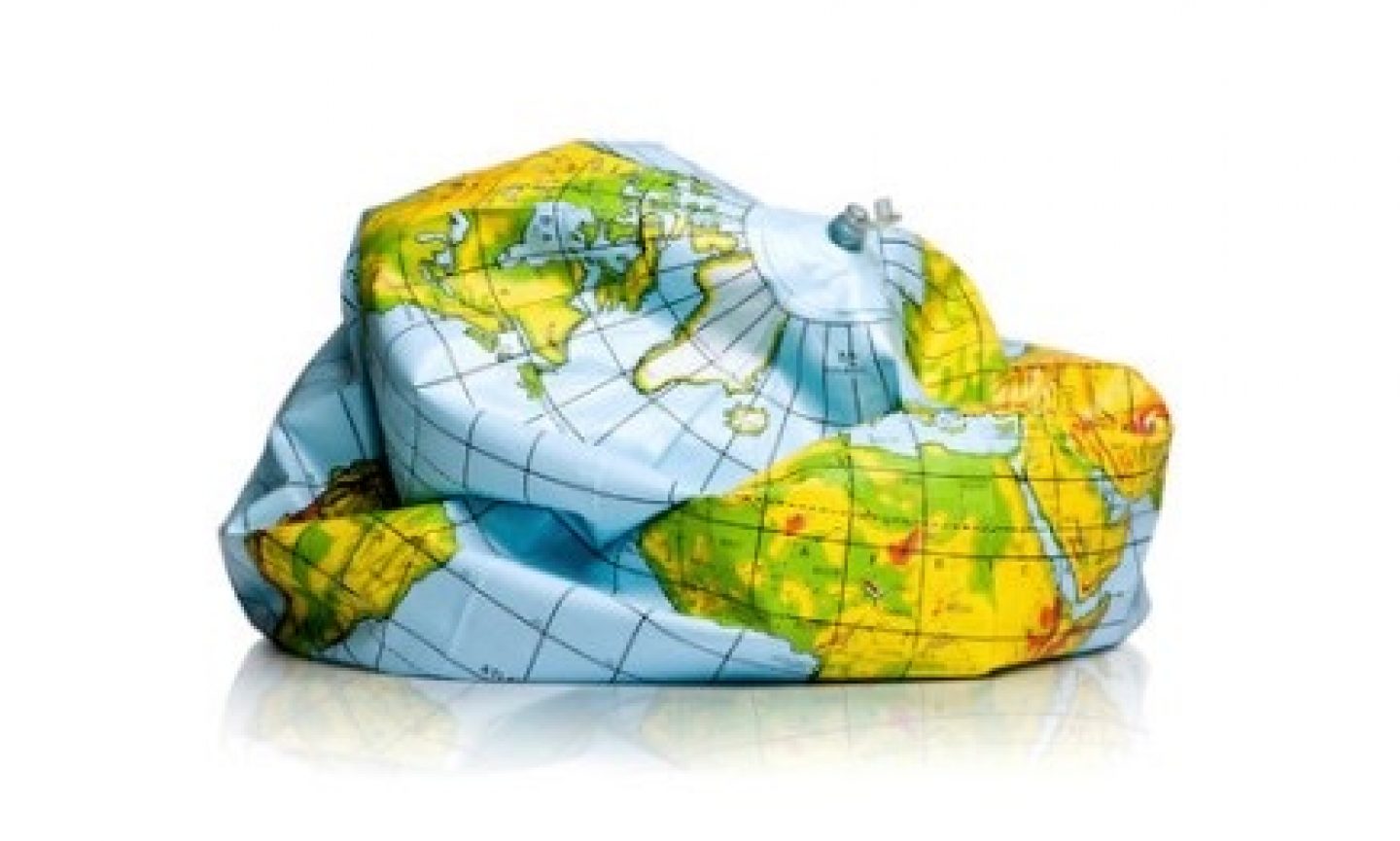


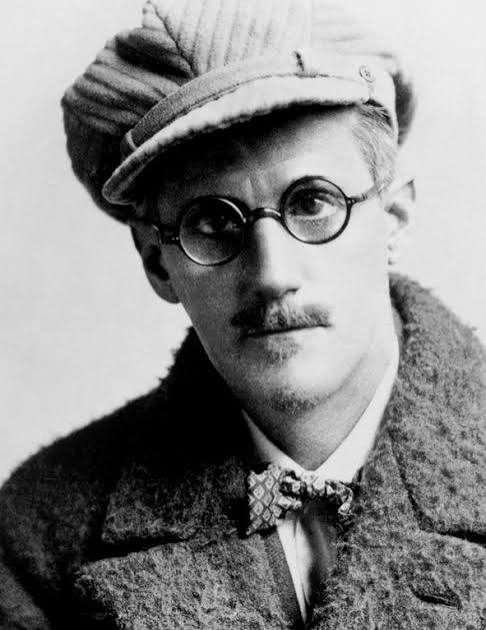
Trade wars can have long-running, unintended consequences. The Smoot-Hawley Act of 1930, widely regarded as a catalyst to the Great Depression, contained a clause (section 305) that permitted the banning of obscene materials, a classification that (in the US) covered James Joyce’s Ulysses. Joyce’s publisher, keen to sell the book in the US, brought a test case under the Smoot Hawley Act (United States vs. One Book Called ‘Ulysses’), and the resulting verdict that the book was not ‘obscene’ made Joyce’s text a bestseller in the US and changed American obscenity laws.
A more serious case was the consequence of the Opium Wars, which ended with Hong Kong ceded to Britain, and began what China recalls as its ‘century of humiliation’, a perspective that still colours Beijing’s view of the West. In 1997, Chris Patten presided over the handover of Hong Kong to China, and in 2020 the introduction of the national security law drew Hong Kong legally, institutionally and politically back to China, with little protest from the West, and in my view, this is the defining event that marks the end of globalization as we knew it.
A key institution in the process of globalization was the World Trade Organisation (WTO), which in its early incarnation as GATT (General Agreement on Trade and Tariffs) enjoyed strong leadership under Peter Sutherand and later Pascal Lamy, but is now defunct.
Beyond its trade agreement rounds, the most consequential event for the WTO was the decision to admit China in 2001. The move was approved by President Bill Clinton at a time when there was an uneven power balance between the US and China and, at the time, Clinton described China’s economic relationship with the USA as ‘the equivalent of a one-way street’ (arguing that it was a highly attractive opportunity).
The trade, manufacturing and financial relationship between China and the West formed the basis of globalization, and it is the evolution of China from a provider of cheap labour into an economic powerhouse, together with the failure of the West to hold it to the terms of WTO, that has led to the breakdown of globalization. Indeed, many expected that the second Trump presidency would pick up where the first one left off, with a hostile trade stance on China (in 2018 Marco Rubio released a very hawkish report on China ‘The World that China Made’).
Now, Europe rather than the US, may be the one to pick a trade fight with China.
China’s growing prowess in technology, intense domestic industrial competition, coupled with large quantities of state aid for ‘champion’ firms, and the need to replace a deflating real estate sector with a manufacturing boom, have created a surplus in/of manufactured goods, which China has opportunistically dumped on the European market (known as the China shock 2.0), to the consternation of auto manufacturers, chemical producers and pharmaceutical firms in the EU.
Until very recently, the EU has permitted this to continue, for at least two reasons. The first is that EU trade policy is very product-focused in terms of its corrective measures, and the second is that there has been no strong consensus amongst the large European countries on how to deal with China. For example, in his 946 page memoir “La diplomatie n’est pas un dîner de gala’ (a play on Mao’s line that a revolution is not a dinner party) the former French ambassador to China, Claude Martin states that the lack of a coherent, watertight view on China by the EU (with policy measures to support), meant that China could divide and conquer across European capitals.
That is apparently changing. In recent weeks, commentators and industry bodies in the major countries, notably France and Germany, have been striking a bold and hawkish note on China, and this much was reflected in a major development with the issue of a letter by French and German presidents to the EC president, where they call for a much tougher stance on China.
In my view, there are three mistaken elements in the French/German stance, a lamentable view of Europe as the victim, a lack of urgency to get European industry to reform and become more competitive (notably few of the Draghi recommendations are in place), and third, the lack of an even more aggressive view on China in the sense that its economy may be even weaker than many think.
Diplomatically, the move is being presented as a ‘conversion’ by the two governments, each led by intensely unpopular figures (Macron’s ratings are at an all-time low and Merz’ is not far behind).
There are two elements to note in the letter, which aims to protect key European industries such as chemicals, pharmaceuticals and autos in particular. The first is a diversification instrument that will safeguard supply chains from over-reliance on Chinese goods and inputs, and the second powerful measure aims to exclude Chinese companies (China is not mentioned in the document but the sense is that it is very much the target) from the EU market where trade dumping produces severe and systematic distortions. The implementation of such a measure could be rapid and would need a majority of EU states to block it.
EU trade commissioner, Maros Sefcovic spent last week in China, trying to extract a commitment from Beijing to limit the flow of Chinese goods to Europe. My sense is that the polite apathy that greeted him (as I write there is talk of an agreement on are earths) means that China has little intention of striking a reliable deal, and that a trade confrontation between Europe and China in early 2027 is something European businesses need to prepare for.
Have a great week ahead, Mike

